Enchantments Thru-Run
Hot take: trail running is easier than hiking

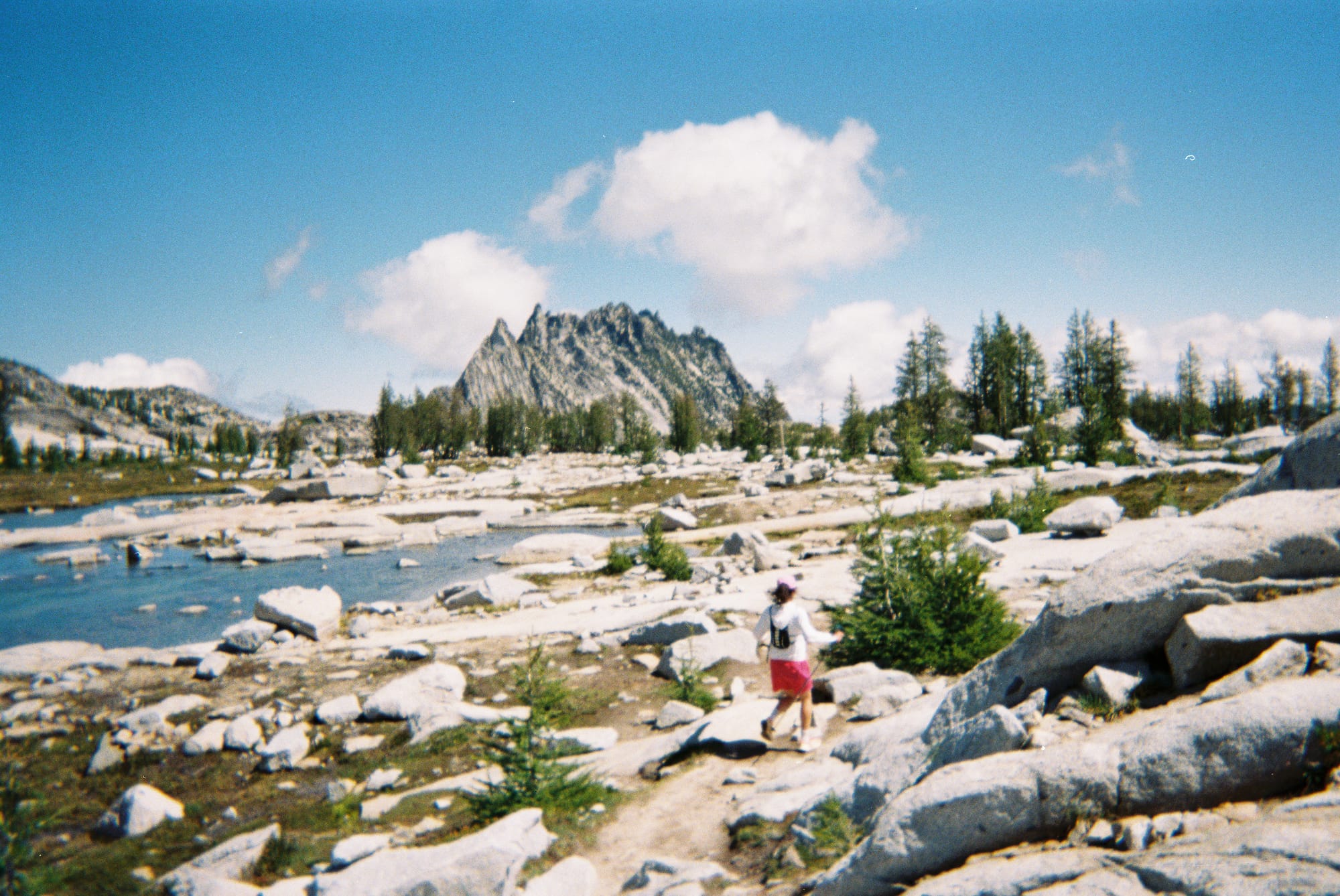
Sunday, 8/16/2025
Stats: 20.02 miles & 5,358 ft of elevation gain. It was only 19.5 miles but marathon training is a disease, so we ran an extra half mile at the end to get the even 20 miler.
No pets, foot travel only, 8 person group size limit, no fires, overnight permit required.
Map:
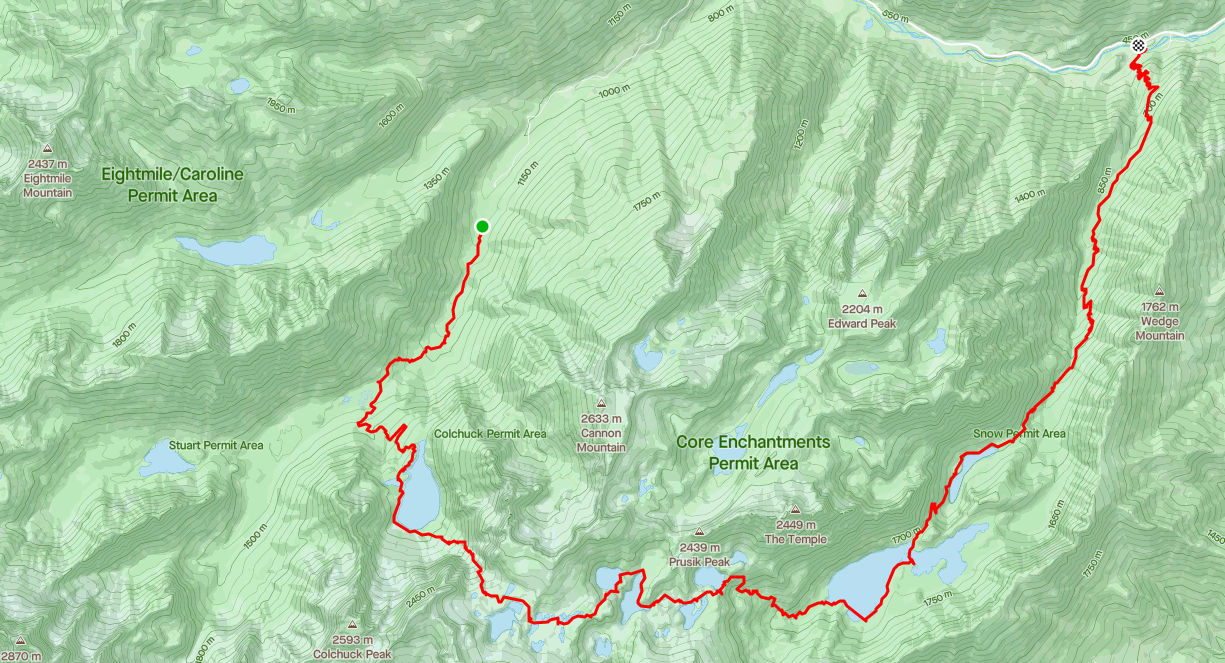
8:19 moving time, 9:34 total
Mia and I drove up from Seattle early Sunday morning. We parked at the Snow Lake trailhead… or rather on the road nearby, because by 6:30am the parking lot was already full. We had a 7am Loop Connector shuttle booked to take us to our starting point, the Stuart Lake Trailhead.
Every time I return to the Enchantments, I’m shocked by just how much more popular they have become. When I first thru-hiked them in 2021, the Loop Connector shuttle was just one van run by a husband and wife duo. Now there are hired employees and multiple vans running trips every hour. Prices have gone up as well, of course.
In 2021, I spent much of that Sunday hiking alone. The shuttle driver told me Saturdays were a mad house, but solitude could still be found on Sundays: not many wanted to hike 5,000+ feet over 20 miles (plus a 5 hour round trip drive to/from Seattle) and then go to work the next day. I didn’t see anyone else for miles! The hikers I did meet, I got to know by name.
That’s definitely no longer the case. Even Sundays have bottlenecks now. In the Core Zone, there are areas of tight single track trail surrounded by sensitive alpine vegetation. It was difficult to pass in these areas without going off trail, so we were patient and waited for an opening to escape the conga line of hikers. At one choke point, people slowed for the rocky descent to Inspiration Lake. We just chose our own path through the boulders instead of following the queue and probably passed at least 30-50 people at once.
These aren’t complaints— they’re just the current reality. The Enchantments are beautiful, this hike has exploded in popularity on social media, overnight permits are extremely difficult to get, and Washington state is full of fit people willing to day hike in order to see this stunning terrain.
It’s an extremely popular area, but it’s hard to fault anyone for contributing to the crowding. It’s a unique, special zone that has become not just a local classic, but a national one. Maybe even more than national: on my last visit, we met hikers who came all the way from Boston, Colorado, and even South America.
It’s certainly worth considering visiting less popular trails since this hike is being “loved to death”, but it’s a beautiful place and this was my third visit. Beyond just the thru-hike itself, the Enchantments are home to many iconic mountaineering and alpine climbing destinations. The classics are classic for a reason. There’s also a discussion to be had on land and visitor management, how to best keep everyone safe in this remote area where rescue calls are extremely common, and how we can preserve sensitive alpine areas and reduce disruptions to wildlife. It’s complex, but we should begin with personal responsibility and preparation to be self-sufficient in the backcountry.
Take the 10 essentials. Stay on trail. Use a privy or a wag bag… unfortunately we came across a hiker who was cleaning up someone else’s feces from the middle of the trail— this waste will not break down in fragile alpine environments. It’s disruptive to the ecosystem and pollutes the water— this incident was right above an alpine lake that many people drink from (hopefully filtered). Manage your waste properly and leave no trace— take your trash out with you as well. Be prepared for the conditions— and for things to go wrong (will you have enough layers to stay warm if you break your ankle and can’t move? Enough food to last you if your hike takes hours longer than expected?). Have a map and know how to use it— don’t expect to rely on anyone else, whether that is other hikers being around or rescuers coming to save you. Respect other visitors: no one wants to hear your Bluetooth speaker (plus the noise disrupts wildlife) and let faster hikers pass when you can. Pack your patience— weekends are crowded and we are all here to see the same beautiful lakes. When trails are crowded, you need to remember that you are part of the crowd. No one is more entitled to public land than anyone else, no matter how many years you’ve been hiking here. Be kind to each other.
I’m not trying to soap box, but when we specifically choose to recreate (and these comments are recreation-specific, not towards indigenous groups who access for sacred/religious reasons) in fragile, sensitive alpine areas— especially when those sensitive alpine areas are extremely popular— it’s so important that everyone is doing their best to reduce impact.
When schedules allow, it’s definitely a more pleasant experience to seek less crowded times (choosing weekdays or to start earlier or later).
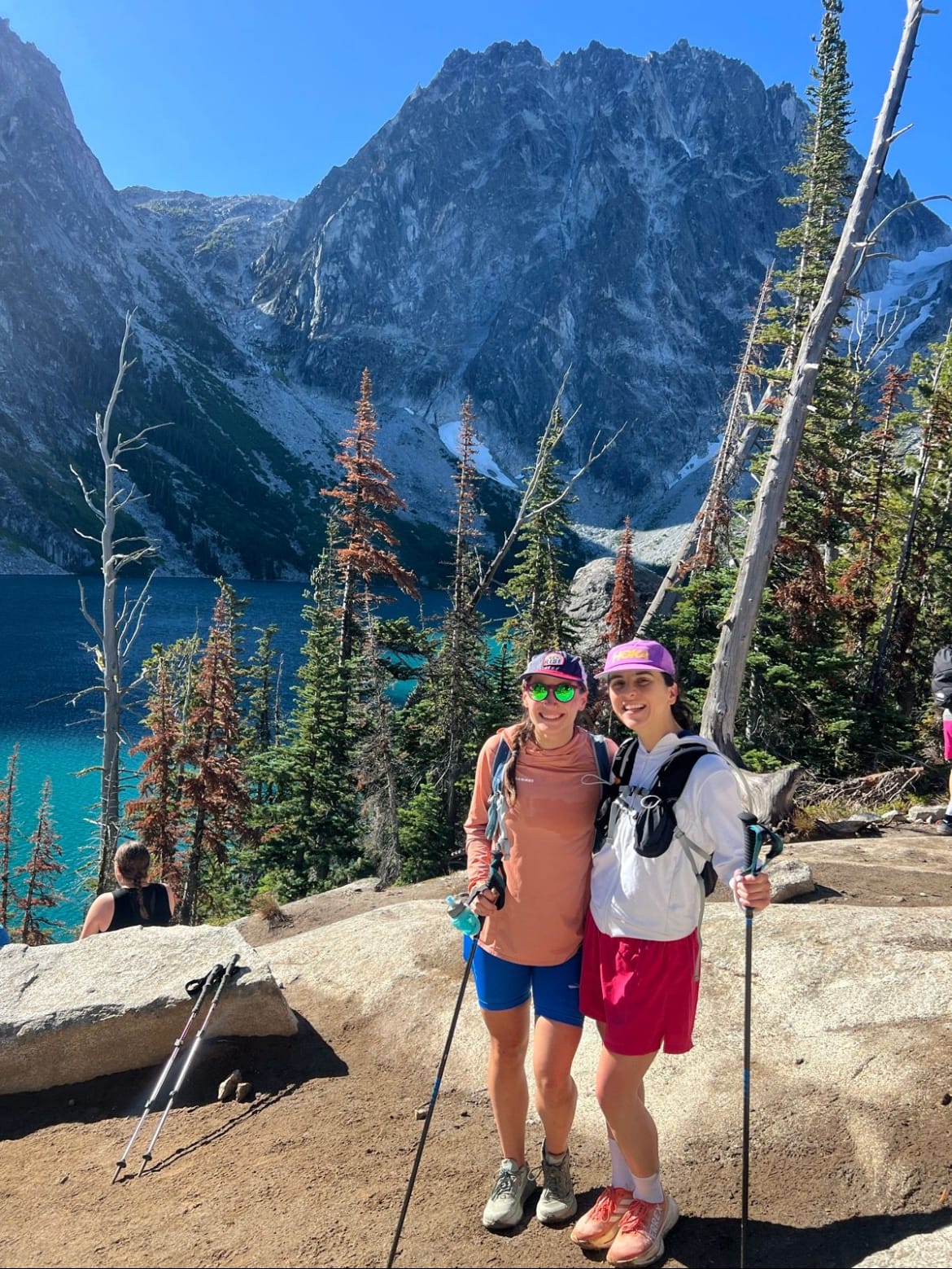
Mia and I started our run just before 8AM. Seattle Mountain Rescue had an information outreach booth at the trailhead. They kindly asked us to please not break our ankles running. There is certainly a lot of technical terrain in the Enchantments— the Core is flat, even slightly downhill, but it can be difficult to move quickly (while prioritizing safety) due to the rocks and boulders.
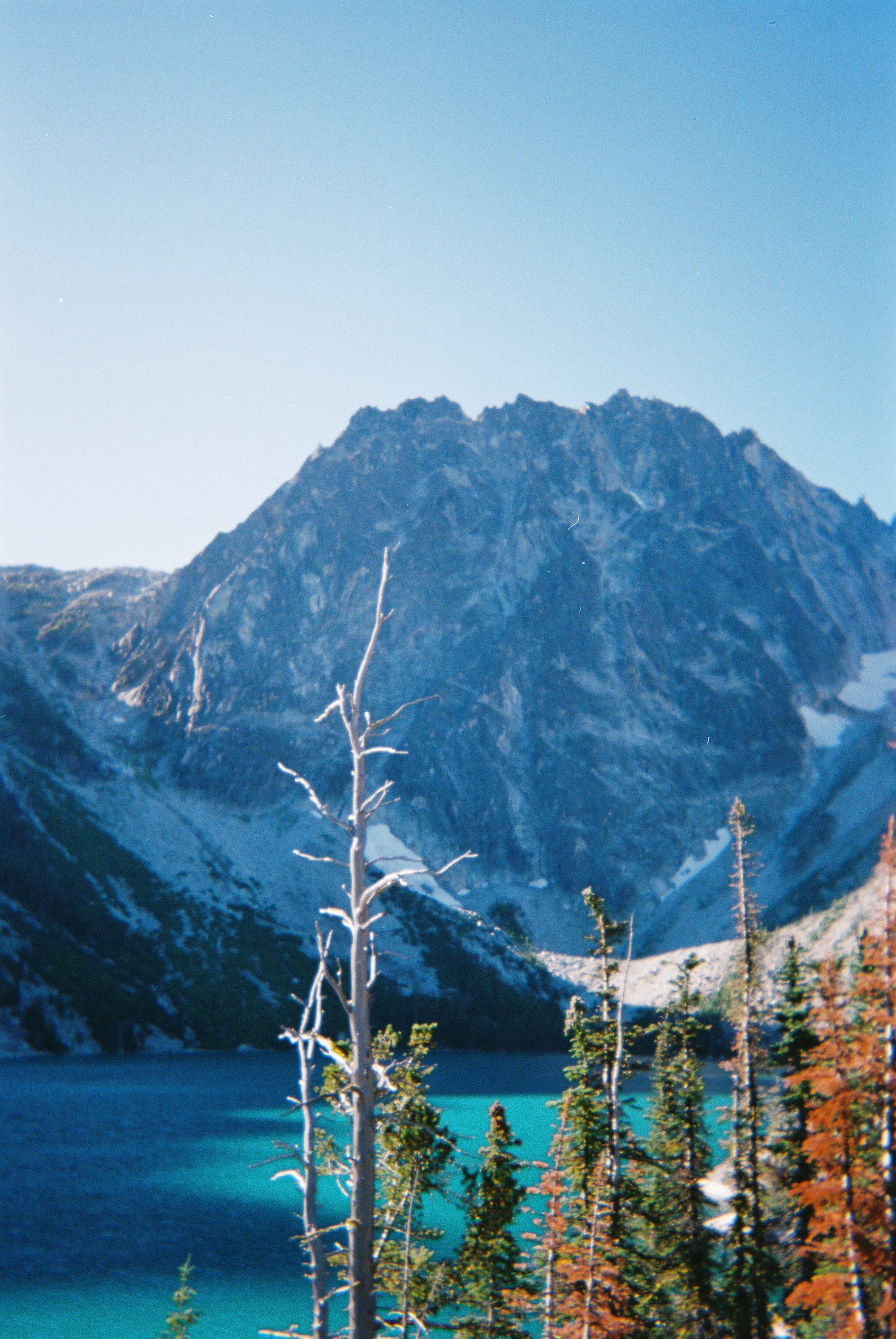
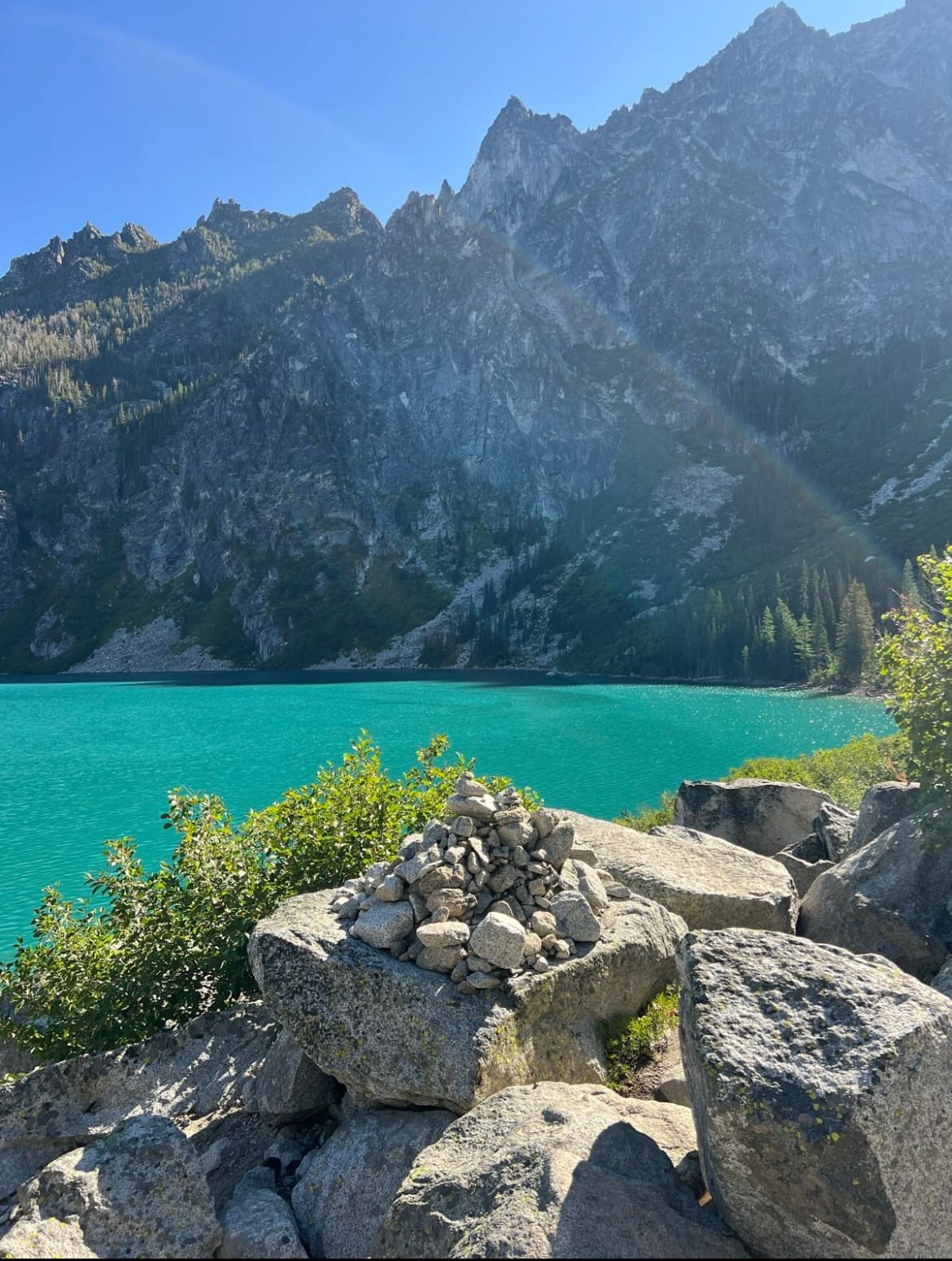
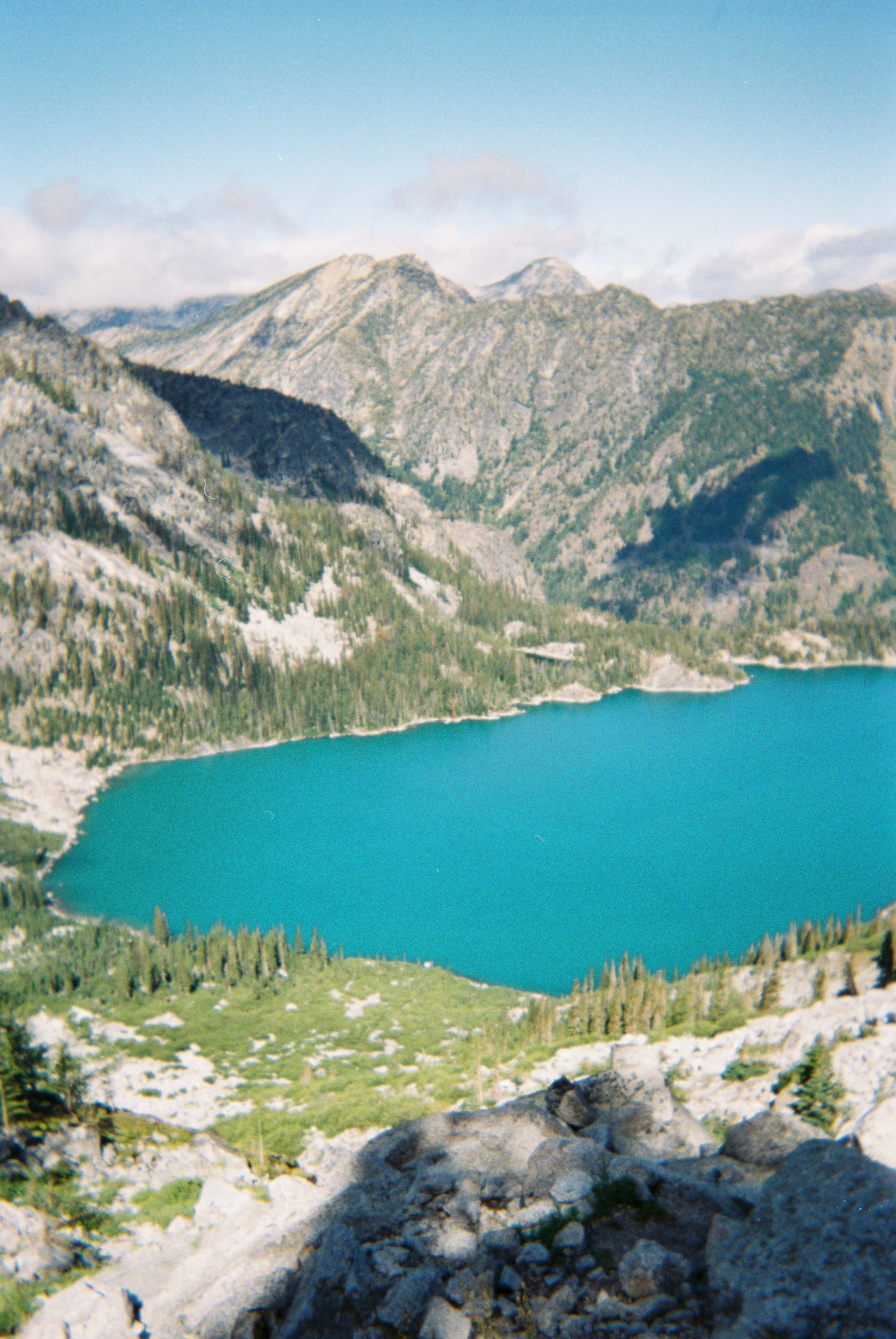
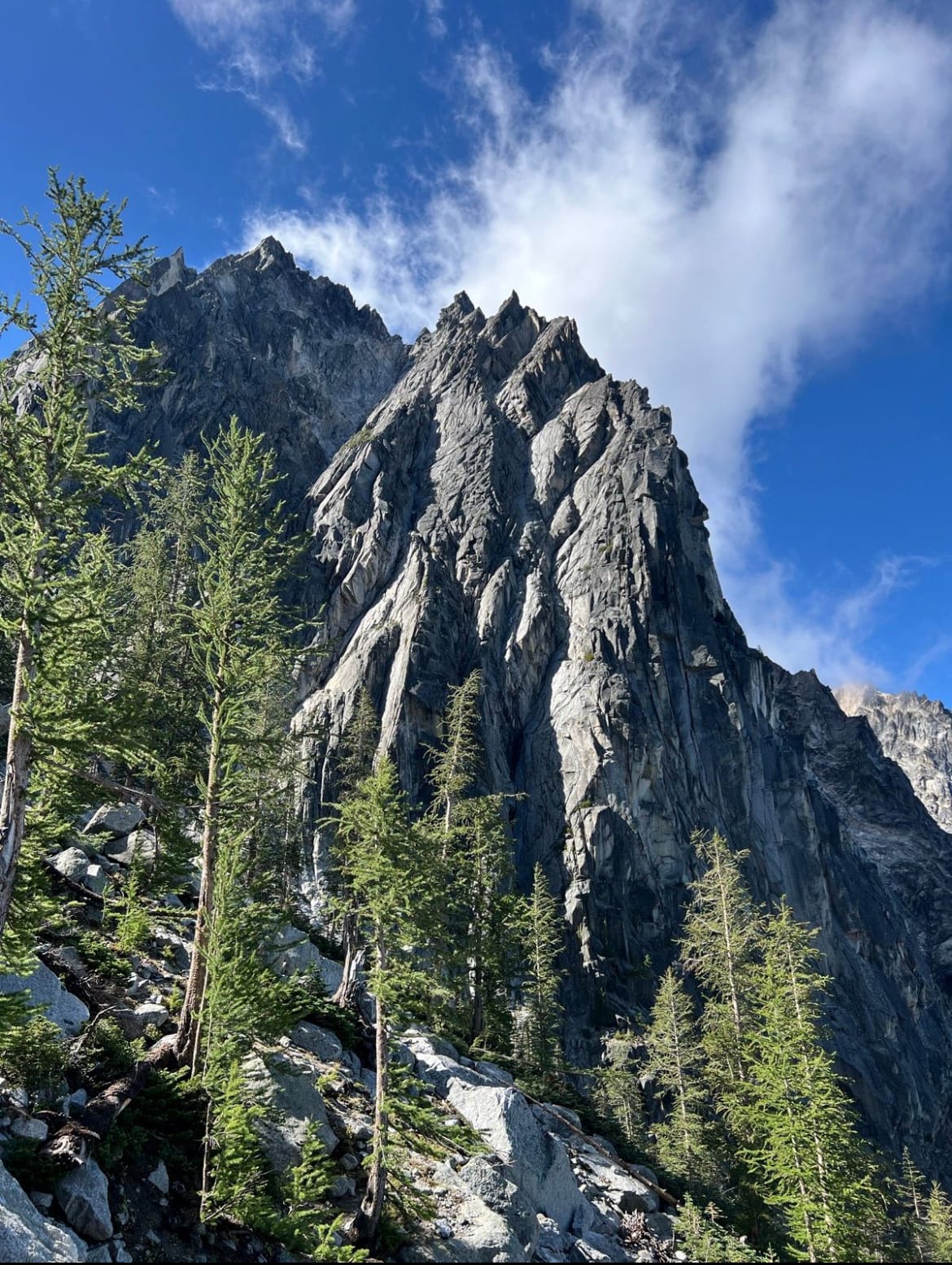
We made great time up the trail to Colchuck Lake, and then up rocky Aasgard Pass itself. I felt so strong! Thank you, marathon training.
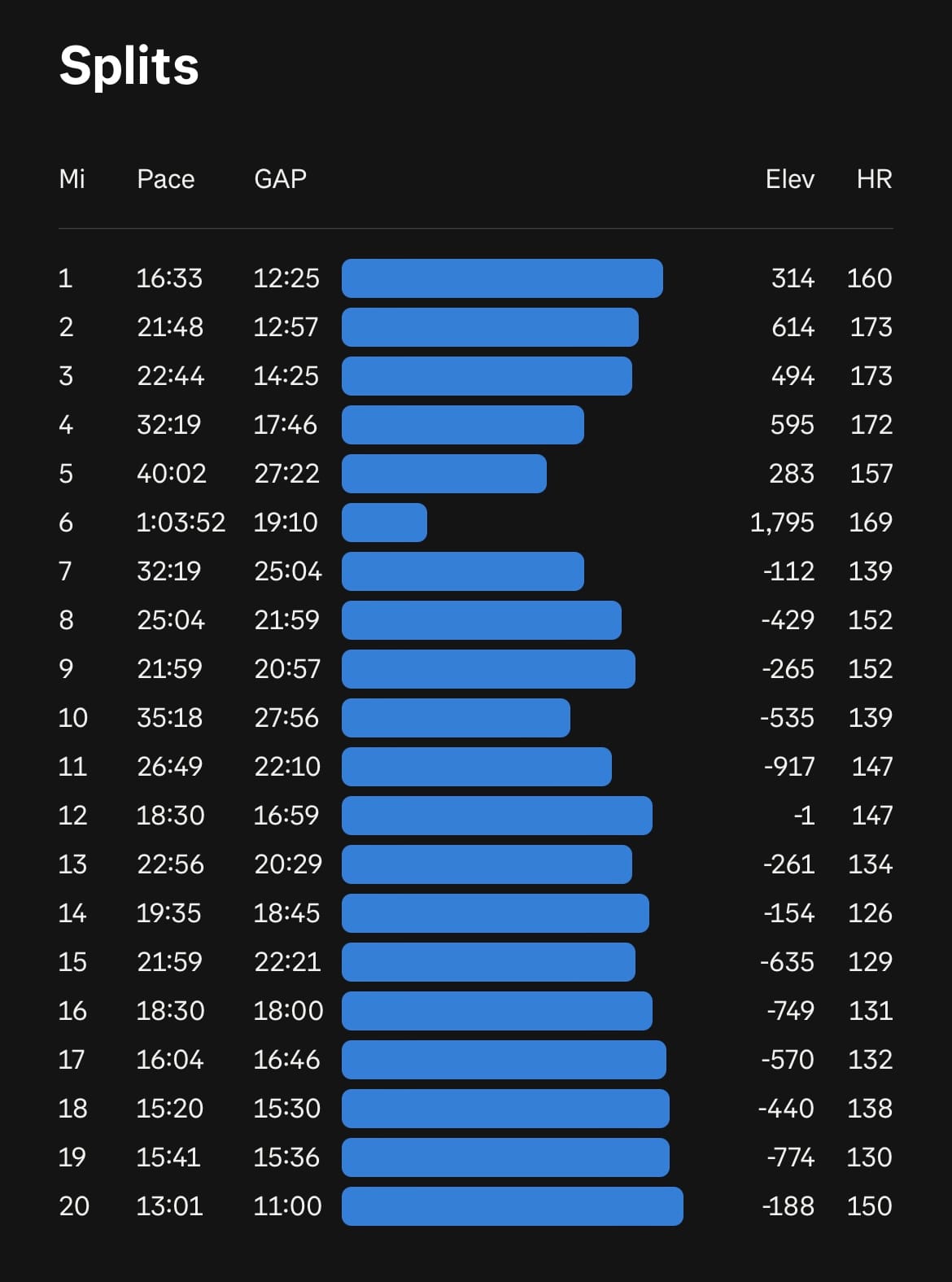
This was my first time running the trail instead of hiking— something I’ve wanted to do since I first even heard of the Enchantments.
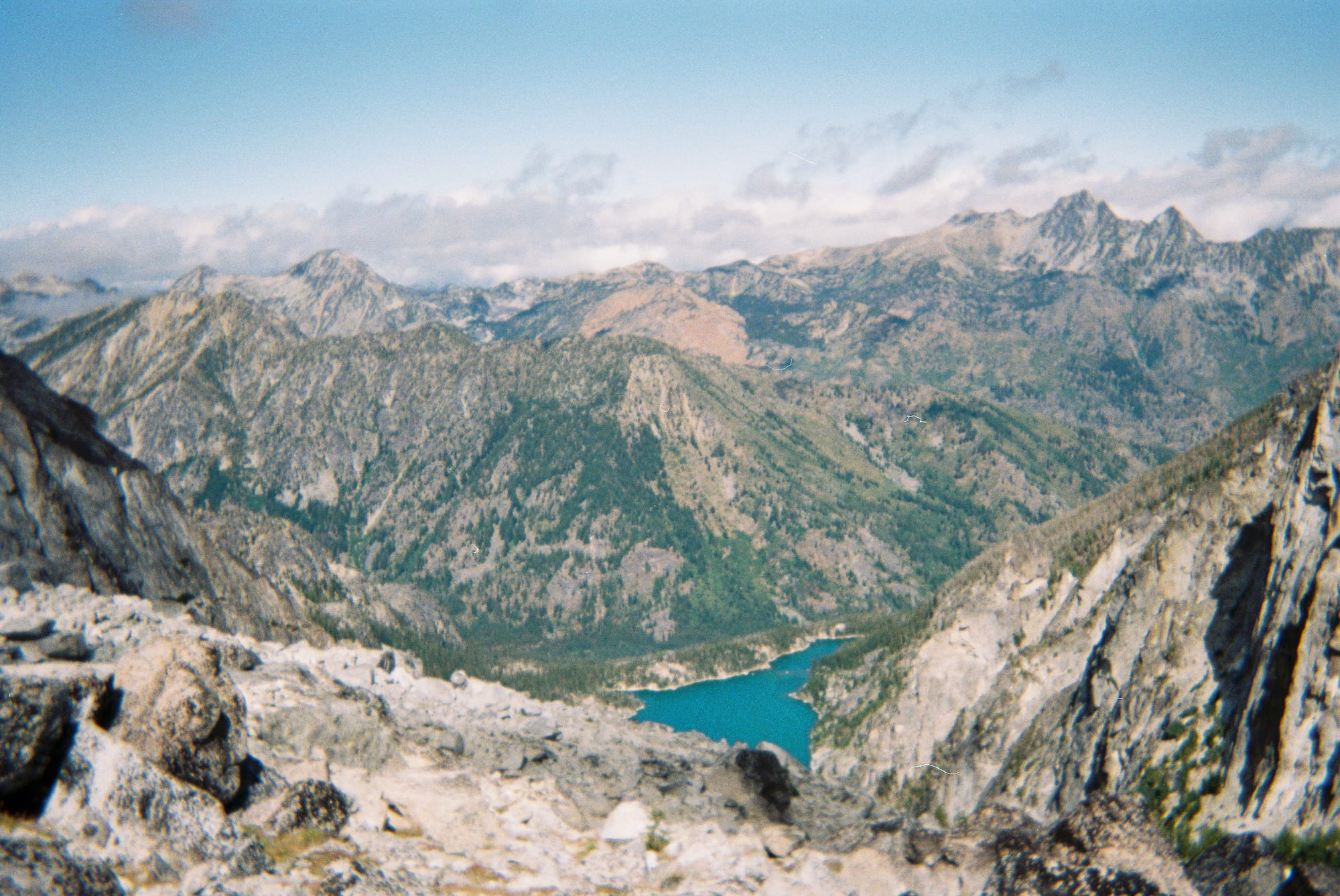
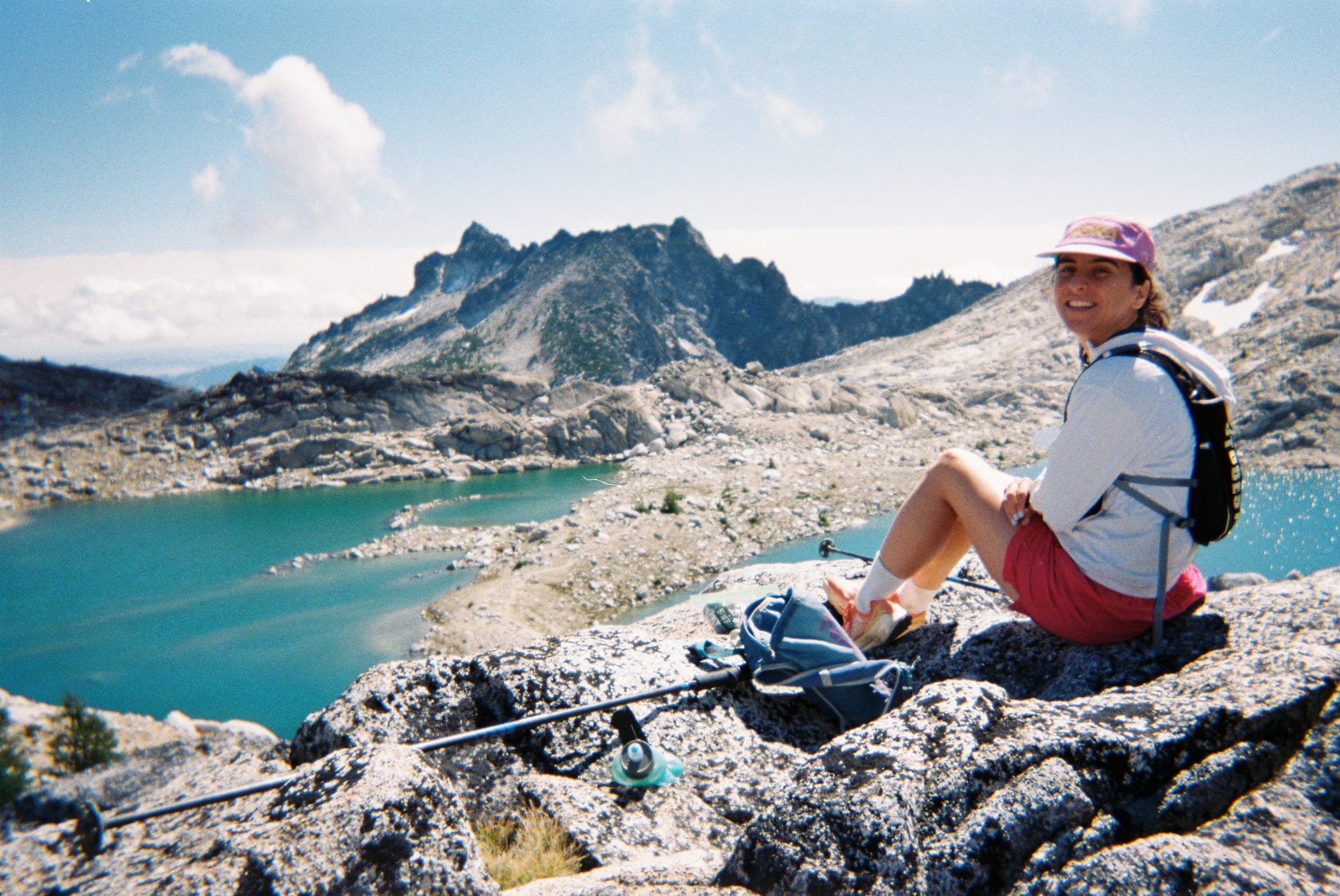
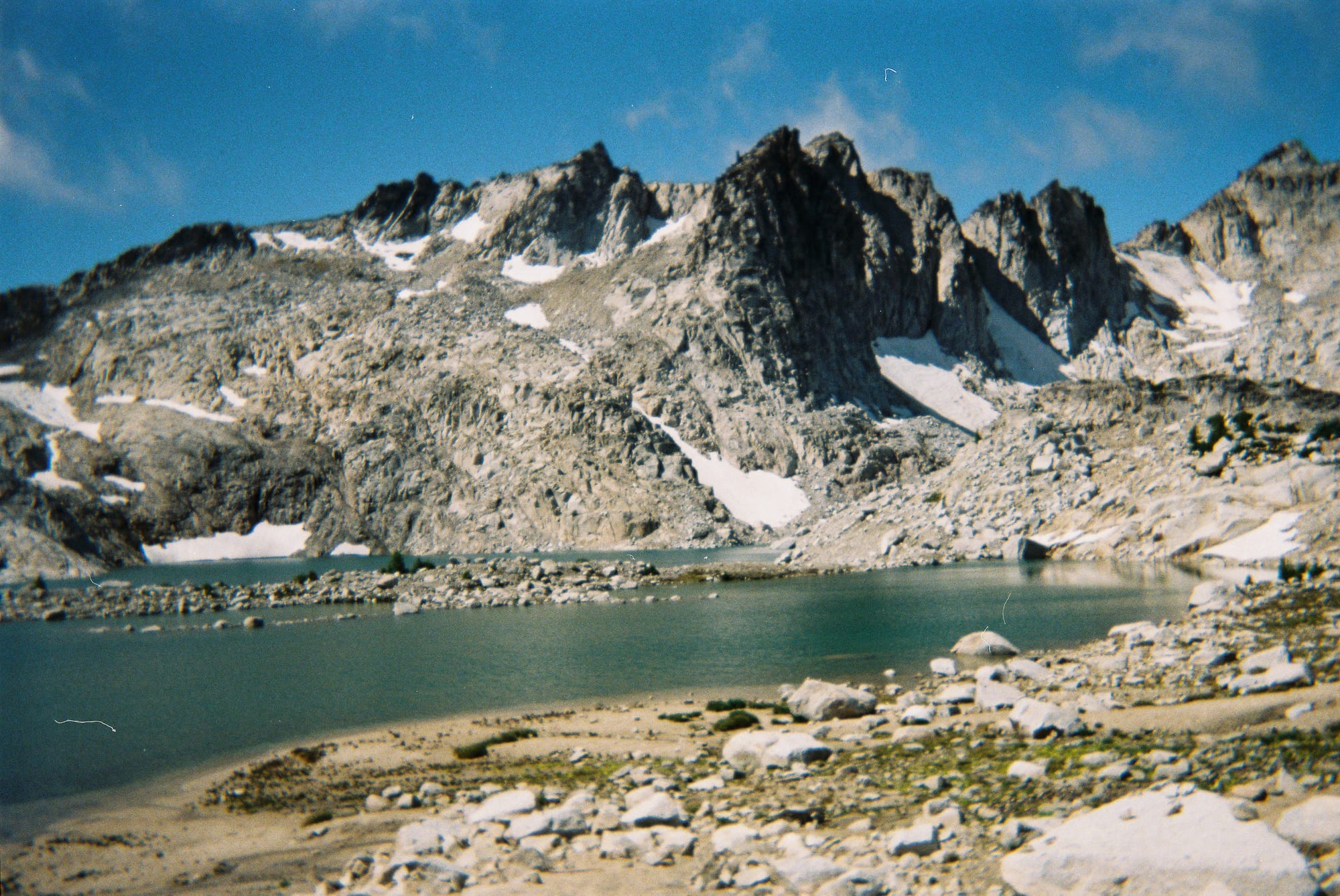
Perfect weather, air quality, and views.
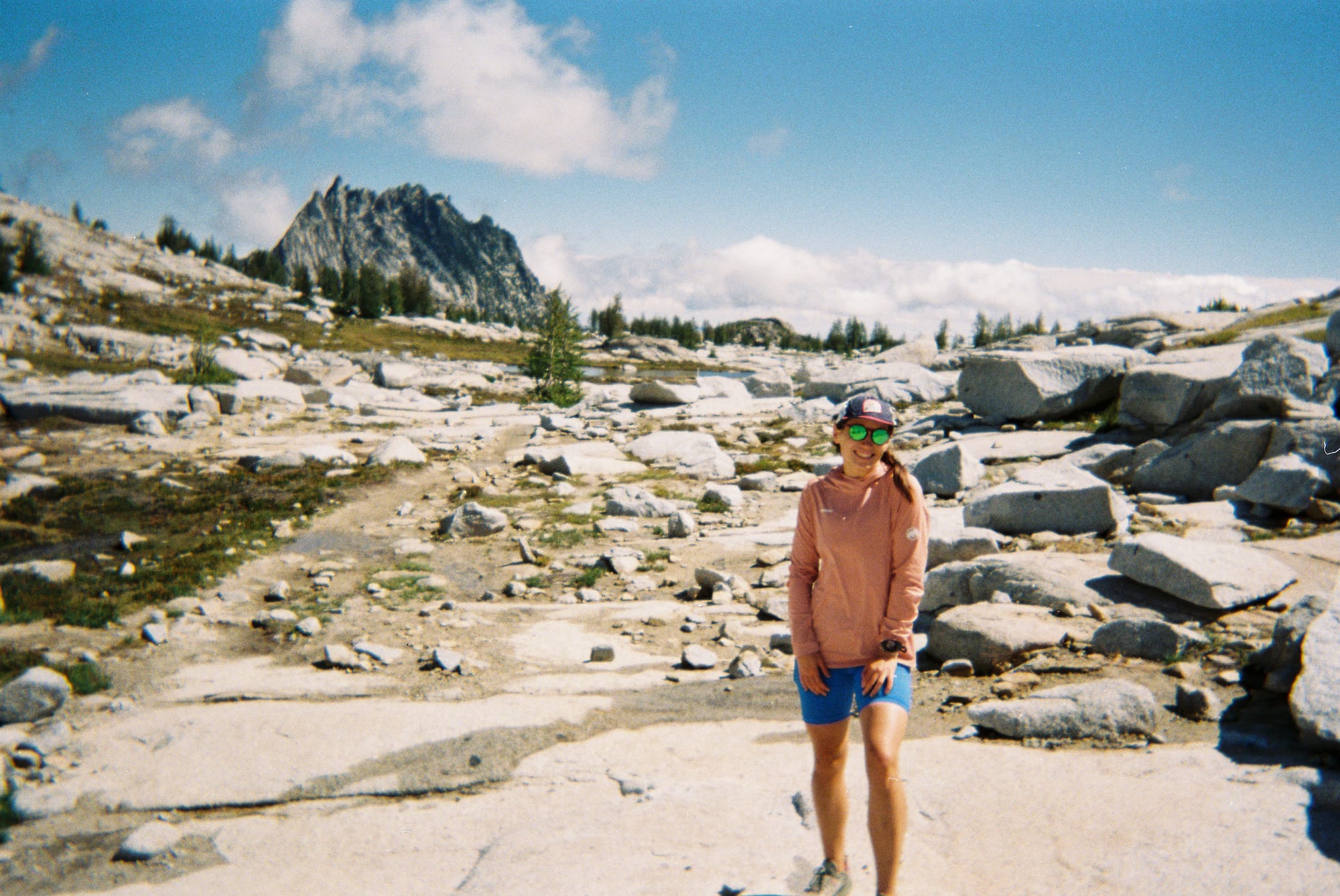
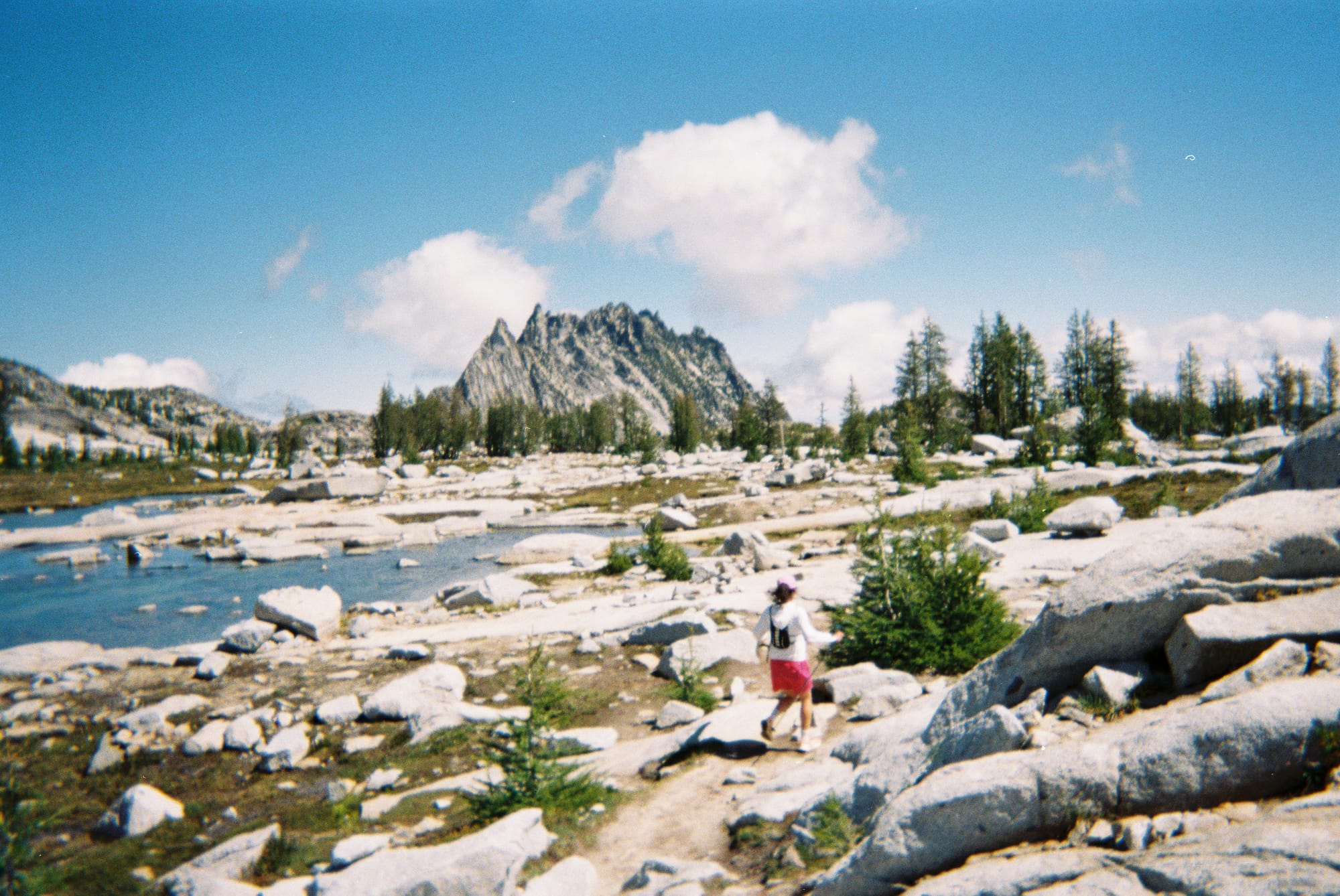
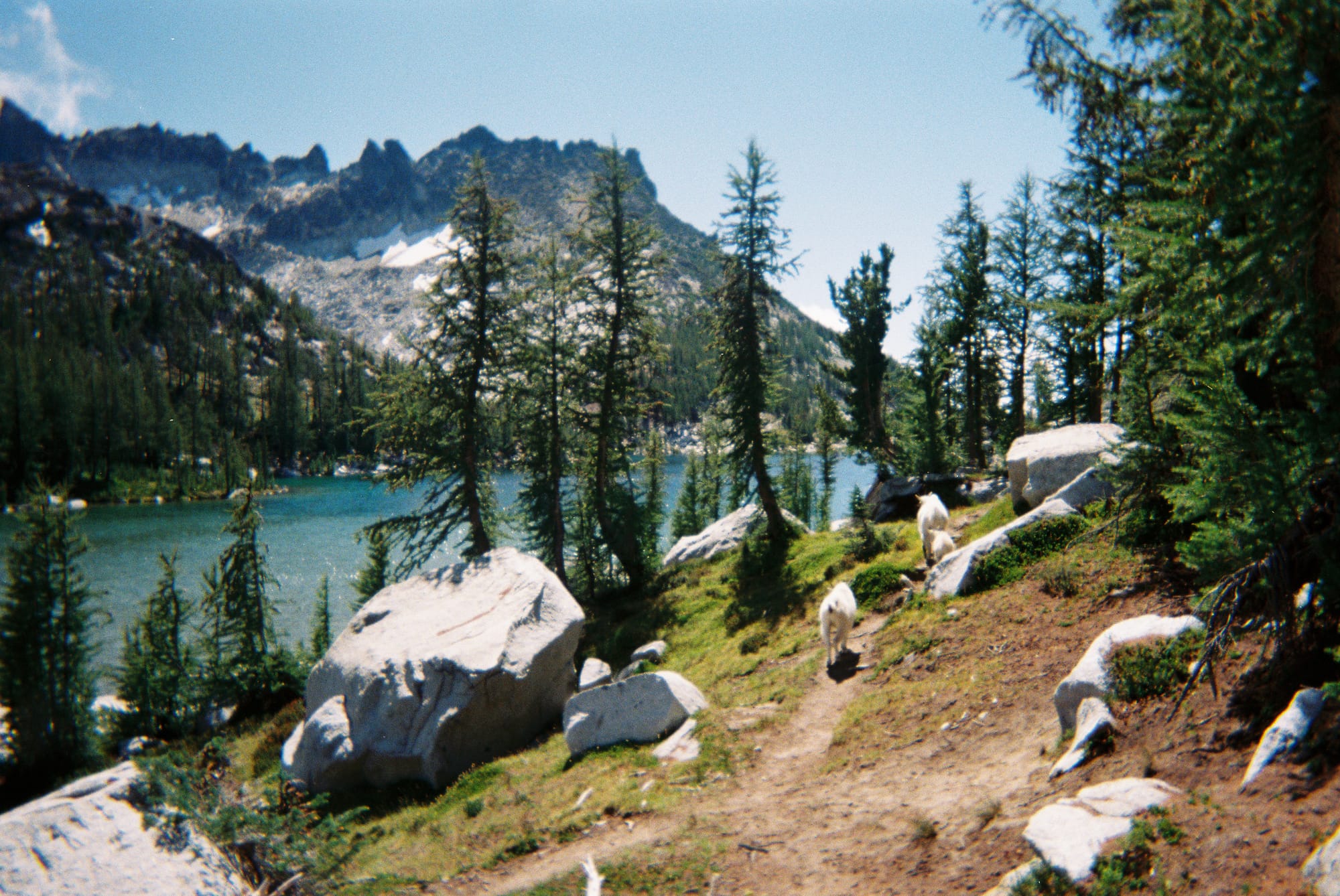
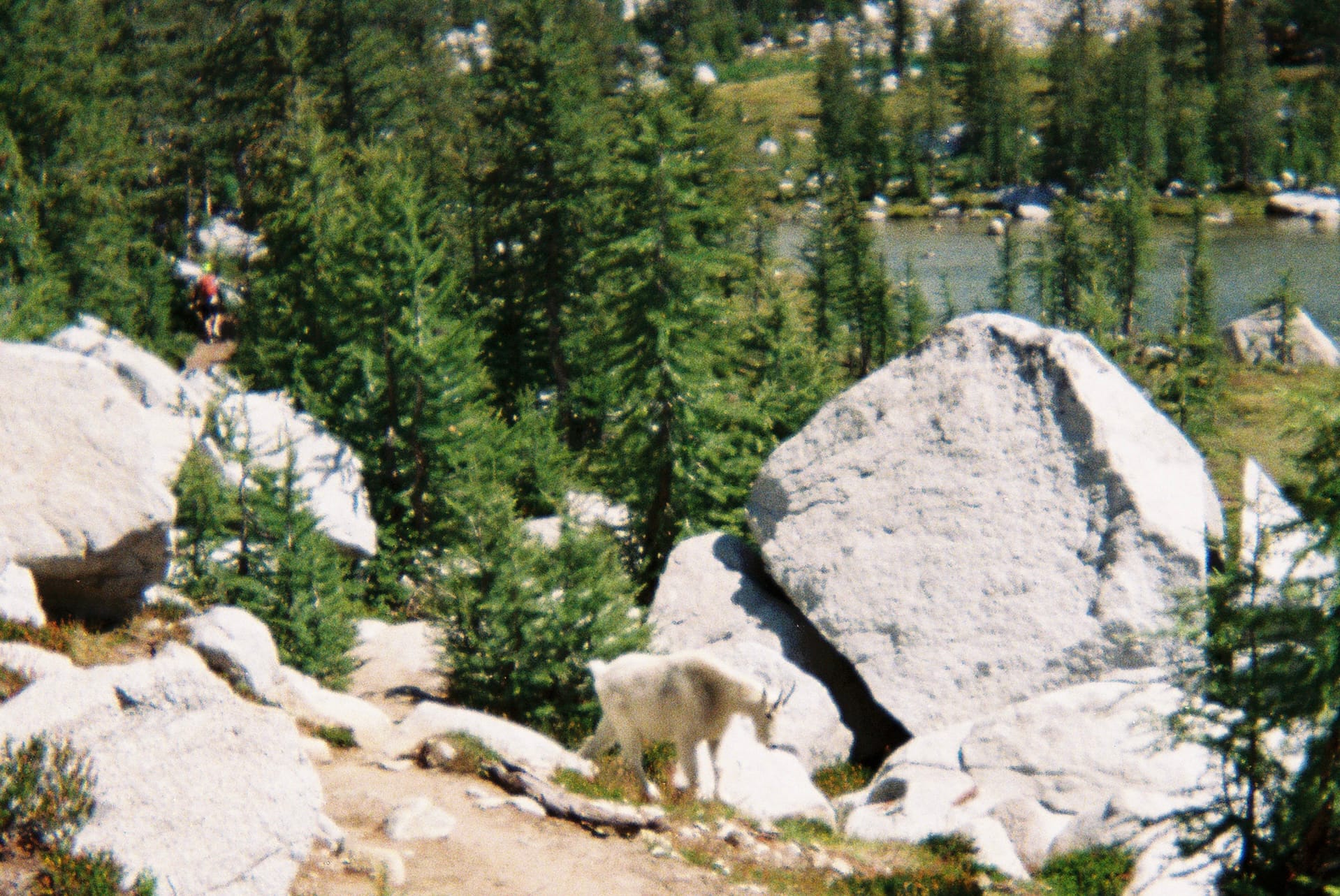
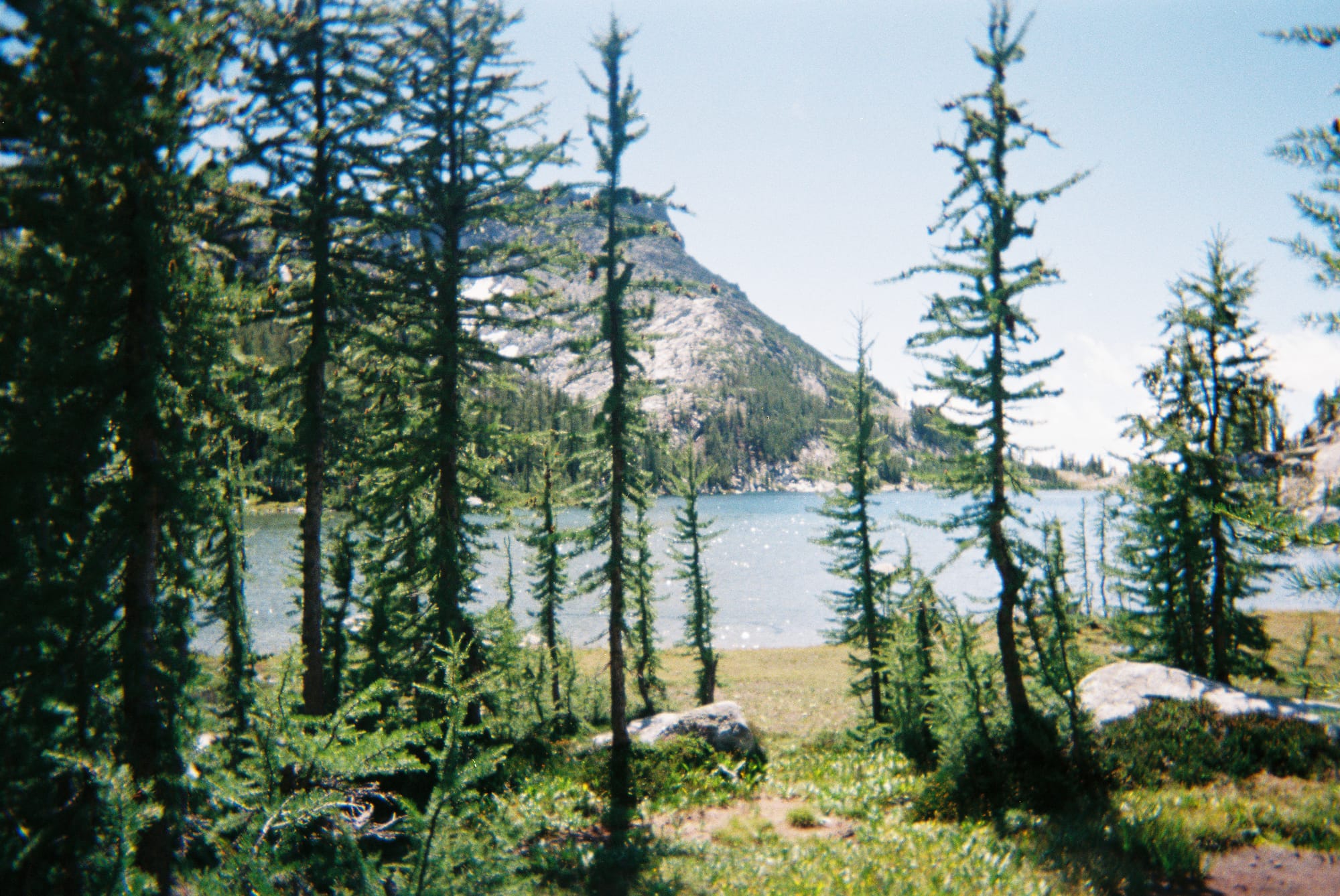
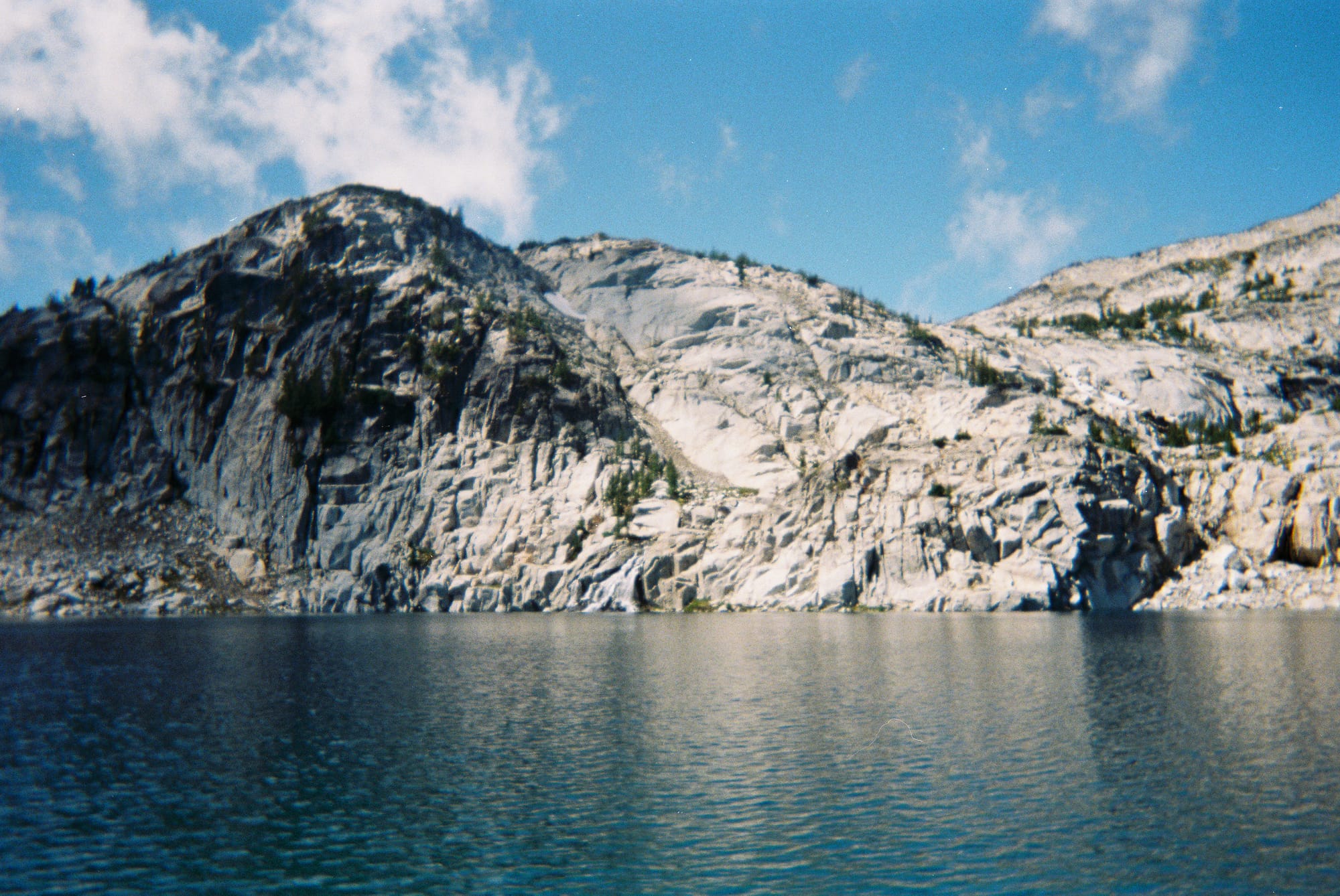
Mia and I were both in great shape from marathon training and familiar with the terrain. It’s a long day but we were dialed so the long day felt smooth! Type 1 fun.
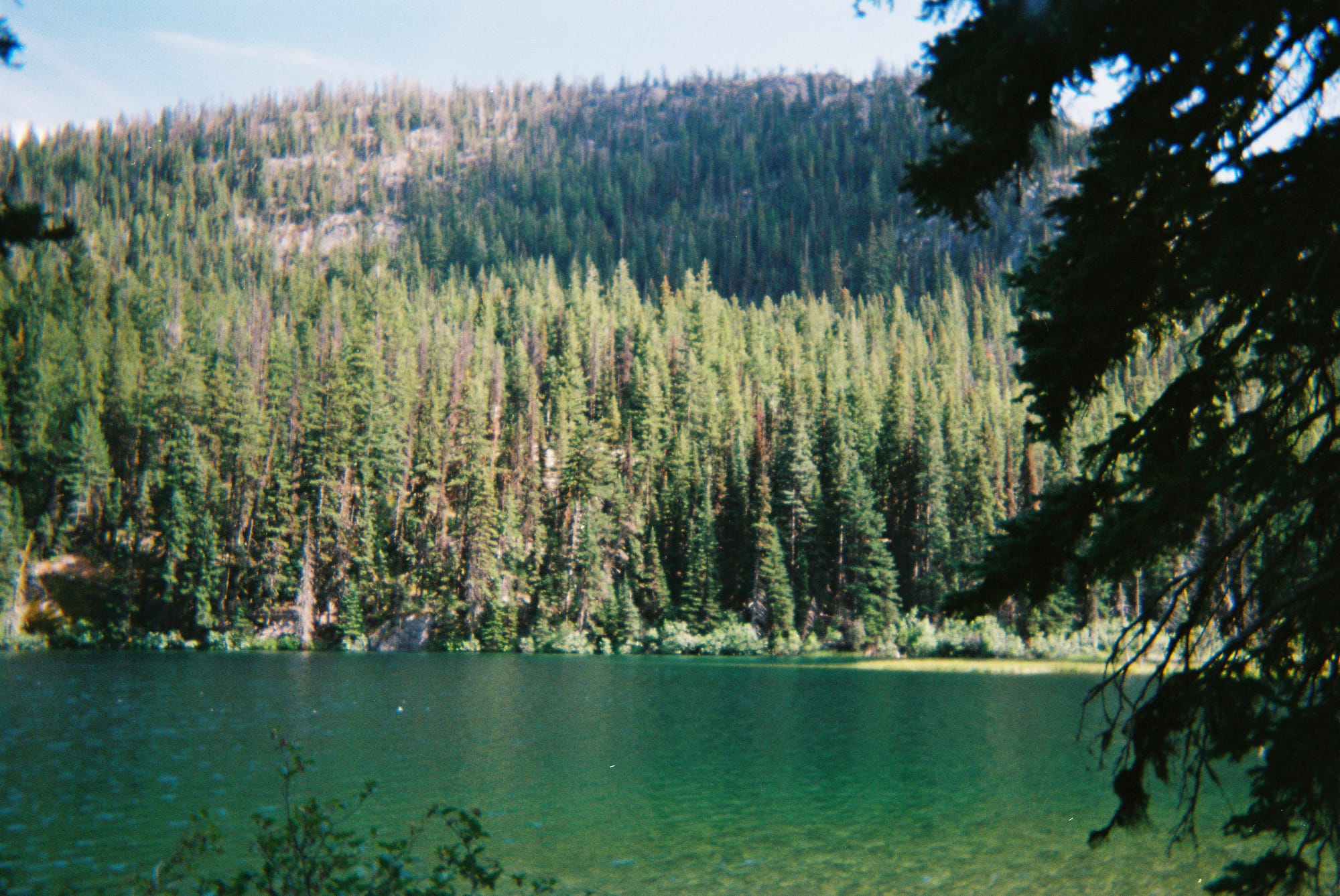
Despite the note on crowds and trail popularity, this was by far my favorite visit yet.
Trail running is such a fun way to move through the mountains.
You might be working “harder” to move faster, but I feel so much more wrecked when I spend 12-14 hours total on trail than when I do 9. Moving faster means less time on feet and overall time spent expending energy (and that means having to eat less nasty running gels as well).
After my last thru-hike, I remember my feet throbbing by the end. This time I felt much better upon finishing! If your legs are used to the downhill running load requirements, it is just plain easier to recover from a shorter day on trail.
This was such a fun day with Mia! The Enchantments never get less enchanting.
I would go back again.